Reframing Kodomokai as Community-Based ESD in Japan
A grassroots learning model rooted in everyday life
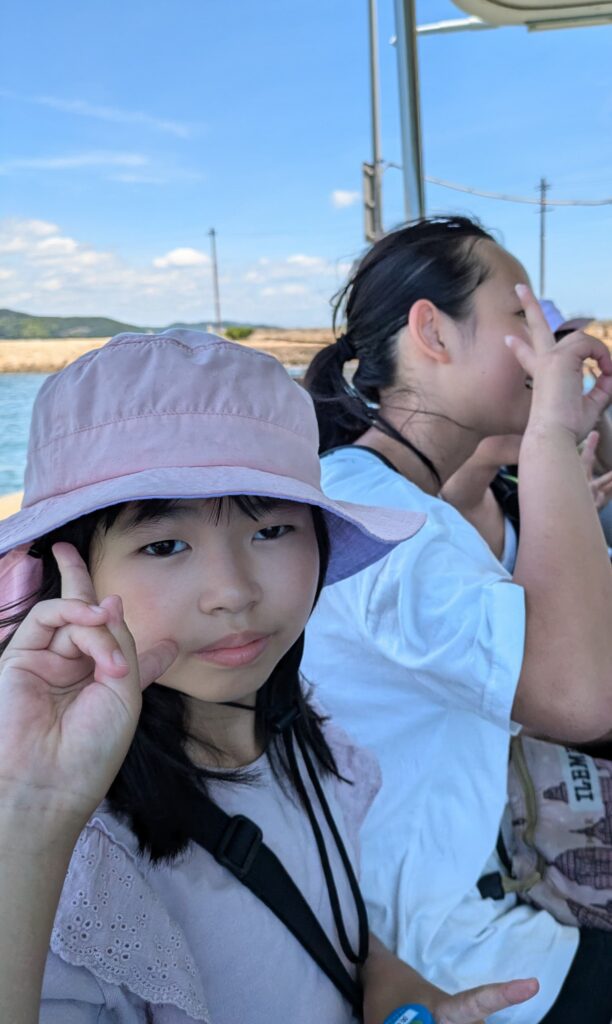
A Community-Based Learning Model Born in Everyday Life
Japan is often seen as a country with strong formal education systems.
Indeed, nearly 100% of children complete compulsory education.
However, this very strength has led to an overlooked reality:
Learning that transforms attitudes, relationships, and community life rarely happens only in classrooms.
In contemporary Japan, many of the values essential for a sustainable society—
care for others, responsibility toward place, intergenerational understanding—
are learned informally, through daily interactions within the community.
This is where Kodomokai—children’s community associations—have traditionally played an important role.
What Is a Kodomokai?
Kodomokai are grassroots community organizations operated primarily by parents and local volunteers.
They offer children opportunities to learn through:
- Seasonal and cultural events
- Disaster preparedness activities
- Environmental and local heritage programs
- Intergenerational interaction
From an international perspective, Kodomokai can be understood as a form of:
Informal, community-based learning embedded in everyday life
Rather than teaching sustainability as a subject, Kodomokai allow children and adults to experience it together.
A Growing Challenge: The Disappearance of Community Learning Spaces
In recent decades, many Kodomokai across Japan have been shrinking or dissolving.
Key factors include:
- Declining birthrates
- Increase in dual-income households
- Heavy organizational burdens placed on parent volunteers
- Rigid participation structures that discourage involvement
Children’s activities have traditionally served as a gateway for families to connect with their communities.
As these spaces disappear, community ties weaken, and opportunities for shared learning are lost.
This erosion threatens not only social connection, but also local resilience and long-term sustainability.
Rethinking Kodomokai as Education for Sustainable Development (ESD)
Rather than allowing Kodomokai to fade away, we asked a different question:
What if Kodomokai were reimagined as spaces for Education for Sustainable Development (ESD)?
ESD is not only about environmental education.
It is about cultivating the ability to:
- Live with others
- Understand complexity
- Act responsibly within one’s community
For this to happen, participation must feel meaningful—and possible—for families.
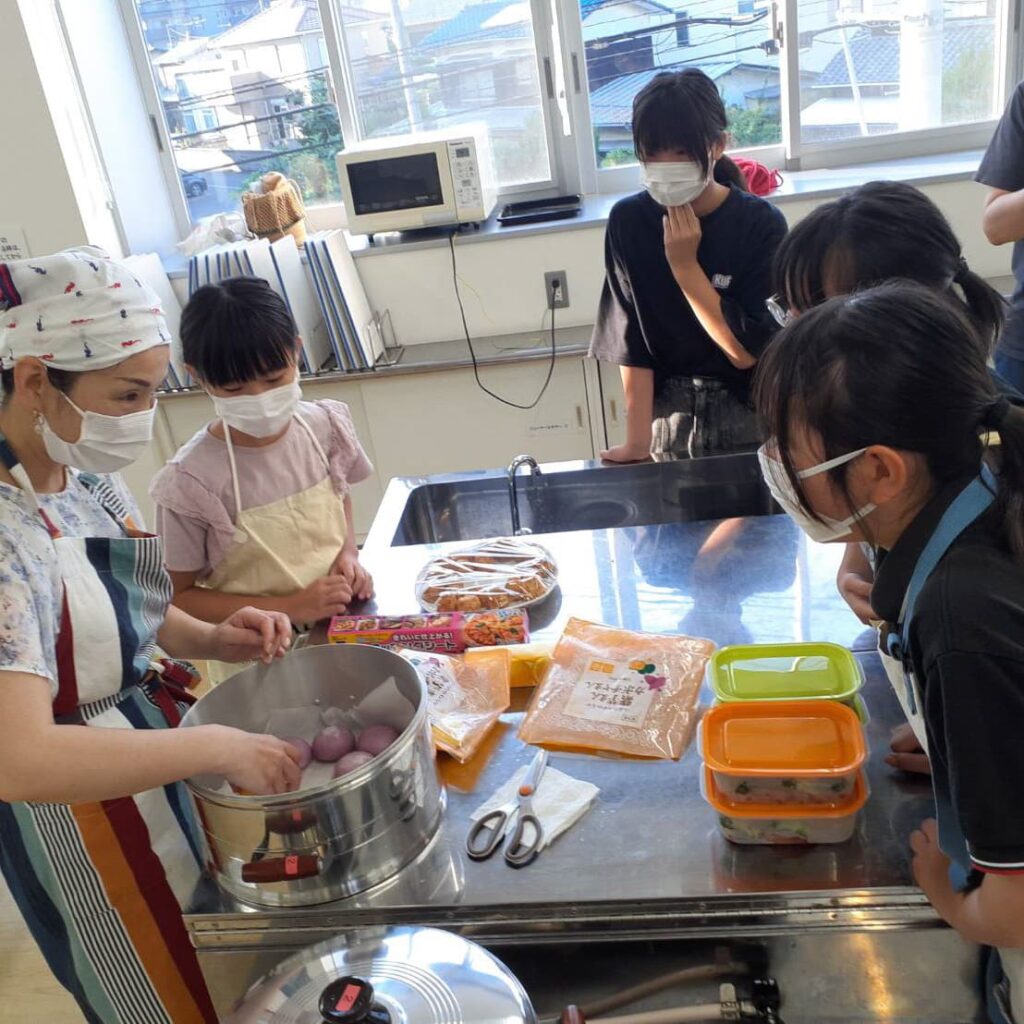
The SAI Kodomokai Approach
SAI Kodomokai was redesigned with one central idea:
Sustainability begins with relationships people can realistically maintain.
Our model emphasizes:
- Inclusive participation
(welcoming single-parent households, families with disabilities, and diverse backgrounds) - Low-burden, fee-free structure
(no mandatory membership, no fixed roles, no obligation to participate every time) - Shared experiences between children and adults
- Learning through action, not instruction
Rather than asking people to “commit more,” we reduced the cost of participation.
Practices Rooted in Place and Experience
SAI Kodomokai activities include:
Art, Nature, and Environment Programs
Children and parents explore islands featured in the Setouchi Triennale, learning how art contributed to the revival of communities facing environmental and social decline.
Inclusive Art Experiences
Participants experience art spaces alongside wheelchair users, discovering accessibility challenges and learning how shared enjoyment can be redesigned.
Free Spaces and Seasonal Community Events
We provide “third places” beyond home and school—spaces for informal interaction, intergenerational exchange, and local cultural learning.
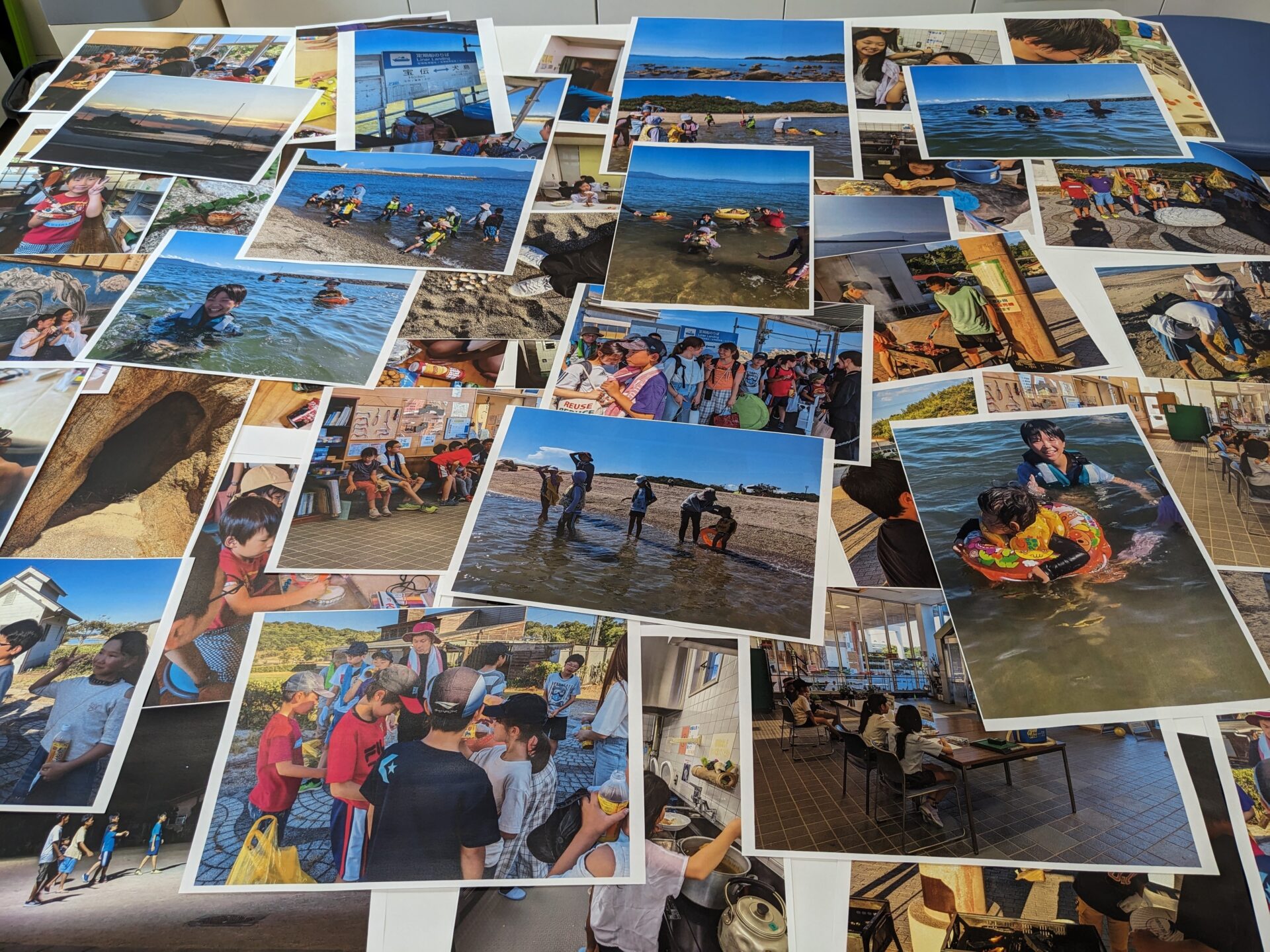
What We Have Learned
Through these practices, we observed:
- Children expressing deeper awareness of community, environment, and cooperation
- Membership growth from 20 to 102 participants
- Increased frequency and diversity of activities
Importantly, participation growth was driven not by more sophisticated programs, but by:
- Reducing the burden on parents
- Keeping participation open and flexible
- Making activities visible and accessible to the wider community
Beyond Specific SDGs: A Living Contribution
SAI Kodomokai does not target individual SDGs directly.
Instead, our activities contribute organically across multiple goals by fostering:
- Place-based identity
- Inclusive participation
- Intergenerational learning
- Community resilience and environmental stewardship
This is sustainability practiced quietly, through everyday life.
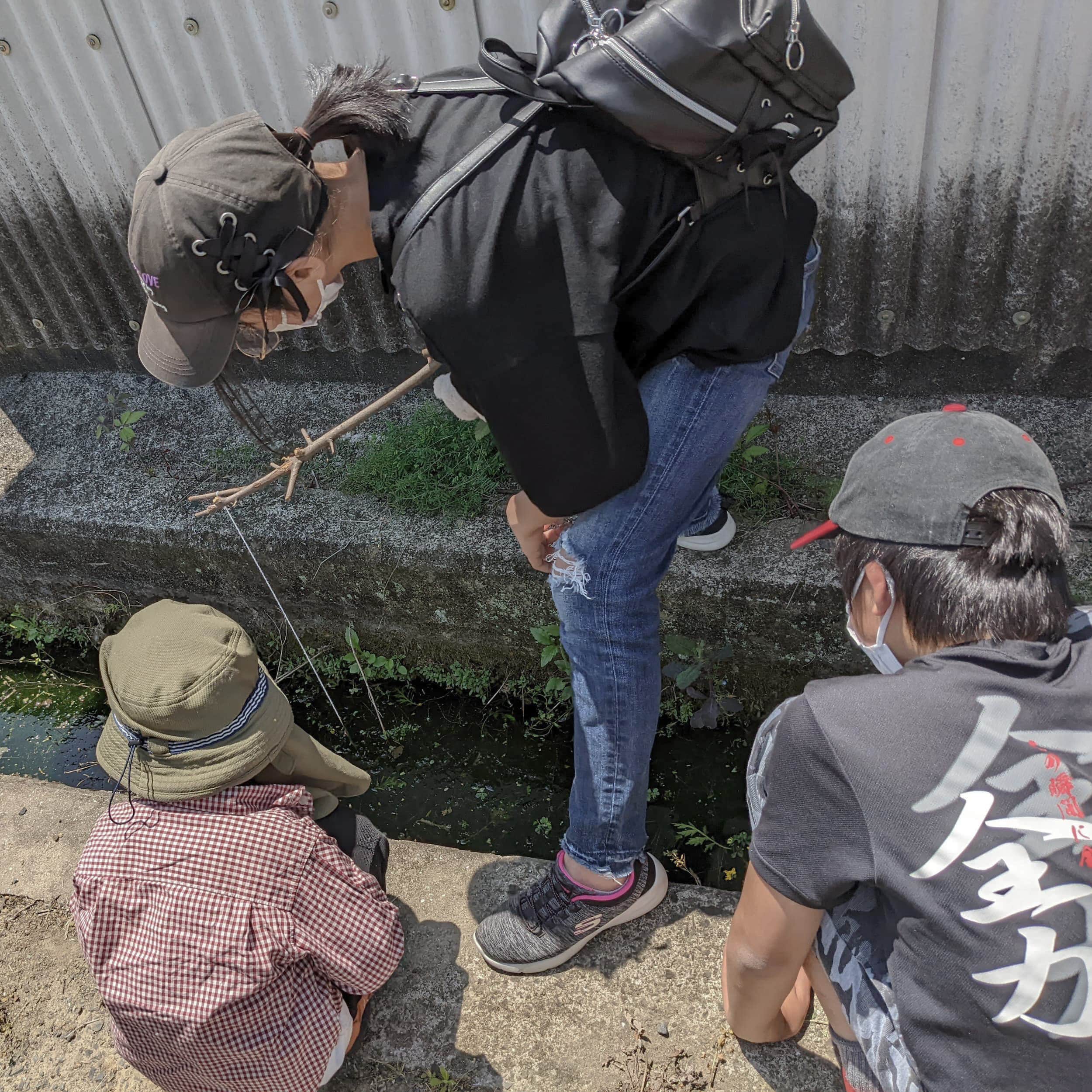
Why This Matters Beyond Japan
Although rooted in a Japanese context, SAI Kodomokai offers a transferable insight:
Sustainable communities are not built through obligation, but through relationships people can sustain.
→ Learn more about us
→ Read the FAQ for international supporters